
K-culture attracts travelers, with the luxury of converting them into customers
In the unweighted survey conducted by Agility Research in nine markets, 22% of affluent and high-net-worth consumers living outside France and planning an international leisure trip chose Korea as one of their destinations for the next twelve months, compared to 20% for France.
Korea also has a higher proportion of people planning either a first visit or a much more frequent stay. For luxury, the challenge is to transform this cultural familiarity into a place in the visitors’ itinerary.
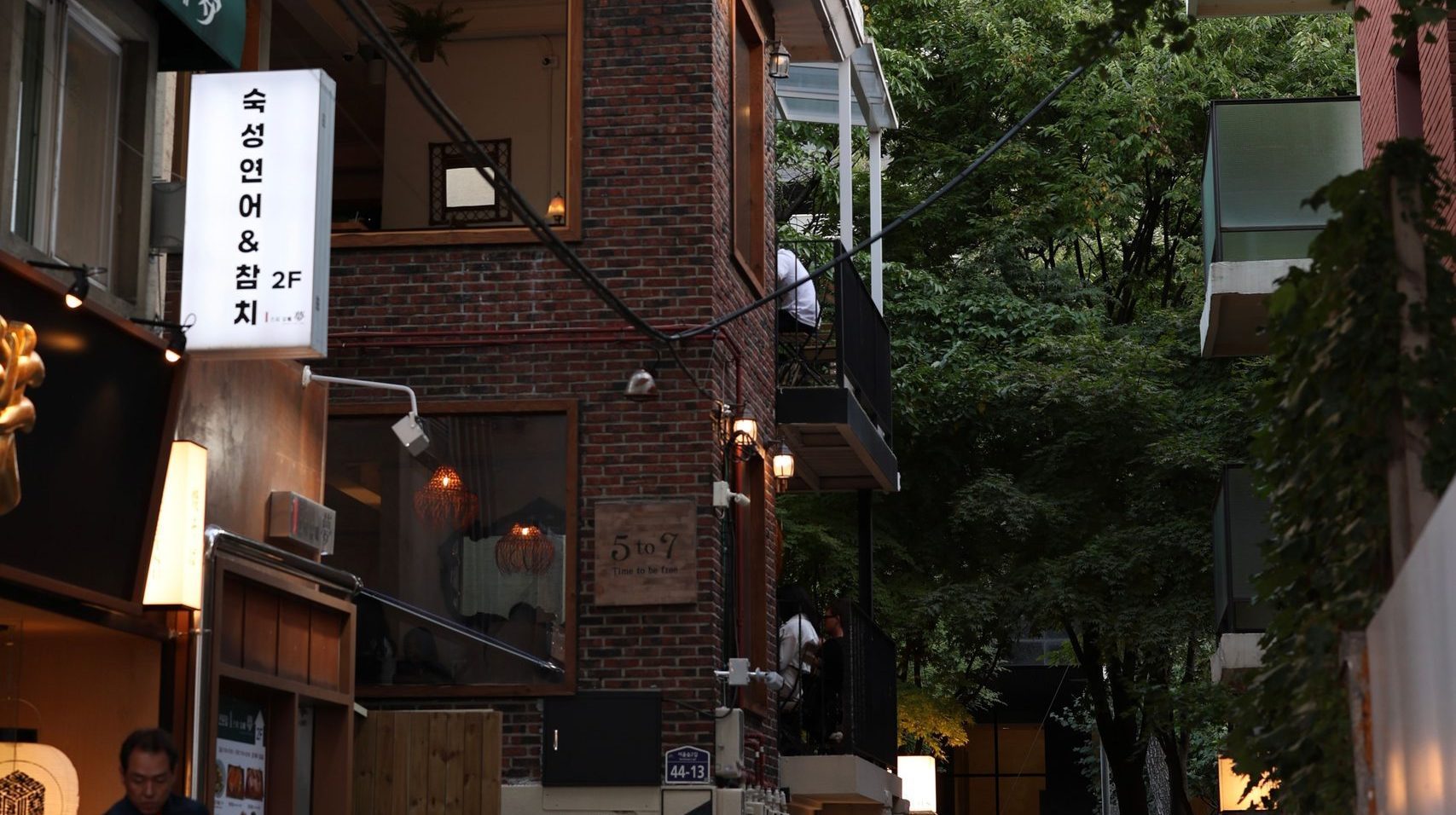
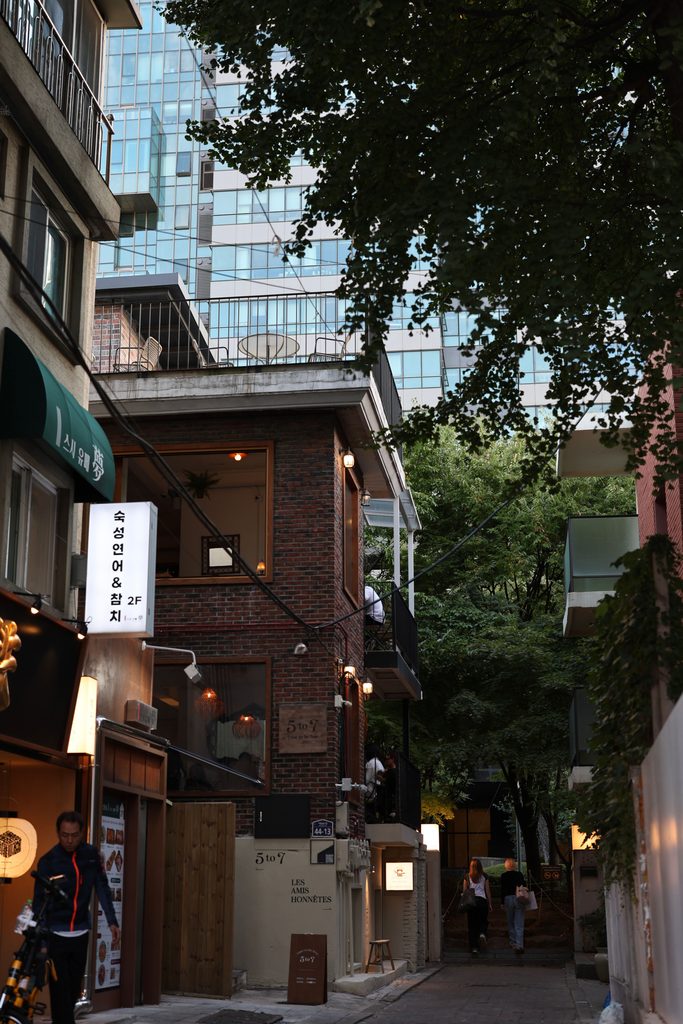
On weekends in Seongsu-dong, queues form in front of pop-up shops, cafes and beauty areas set up in former industrial buildings.
For more than twenty years, Korean music, film and series, gastronomy and beauty have made the country familiar to consumers, long before many of them went there.
This familiarity does not prove that the Hallyu, the Korean cultural wave, determines the choice of Korea as a destination among affluent consumers. TrendLens did not ask respondents about the motivations for this choice.
The results of the trip, however, are consistent with a reality: many potential visitors already know Korea through its artists, stories, products, and aesthetics.
Korea is now alongside France among the destinations considered by wealthy travelers
Among affluent and high-net-worth respondents living outside France who were planning an international leisure trip in the coming year, 22% selected Korea and 20% France. Only Japan and Singapore were mentioned more often.
These are stated intentions, not confirmed bookings or visitor arrivals. These results also reflect the composition of an unweighted sample covering nine markets.
Within these limits, they show that Korea is now among the destinations considered by affluent travelers at a level close to that of one of the most established tourist destinations in the world.
Of those who selected Korea, 64% indicated that they would visit Korea for the first time or significantly more often than in previous years. This proportion rises to 49% among those who have chosen France.
The question brings together two distinct groups: it therefore does not make it possible to determine the share of first-time visitors in the Korean result, nor that of travelers who increase the frequency of their stays. The business implications differ. The former may still need landmarks to discover the destination, while more regular visitors may already have their habits and expectations. The aggregated result suggests both a dynamic of discovery and a deepening of the link with the destination, but these two groups should not be considered as a single audience.
Japan, the most frequently cited destination, has a similar profile on this combined indicator. This suggests that the Korean dynamic is part of a broader appeal to Northeast Asia. Demand is highest in neighboring Asian markets, but not limited to them.
Korea is among the top three destinations for affluent and high-net-worth consumers in Thailand and Indonesia, while around one in ten planning international leisure travel to the UK and the US selected it.
Cultural familiarity that accompanies consumers on their travels
Data on prestige care provide additional insights. Of 401 affluent premium skincare shoppers in the US, UK and Australia, 14% said they had purchased Sulwhasoo products in the previous year, compared to 16% for La Mer.
This aggregated, unweighted result does not support the conclusion of equivalence in terms of market share, brand equity or commercial scope. Nor does it show that travelers planning to visit Korea specifically purchased any of these brands. However, he said that within the group surveyed, the proportion of people who said they had bought a prestige Korean brand is close to that of one of the best-known names in the category. Korean prestige products may therefore already be familiar to affluent buyers in Western markets, rather than being a discovery when they arrive in Korea.
Korean ambassadors have become indispensable, but they are not a strategy on their own
Luxury houses have recruited Korean musicians and actors as global ambassadors, giving themselves direct access to vast international audiences. These partnerships remain powerful, but an ambassador’s visibility alone doesn’t determine whether a brand will be part of a traveler’s experience in Korea.
The response of luxury already exceeds the choice of muses. The houses have invested in boutiques in Seoul, pop-up stores, exhibitions and hospitality concepts. Competition is now being played out on each other’s ability to transform their global reputation into a local experience that travelers can discover, visit, book and remember.
An opportunity to be seized throughout the visitor’s journey
The investigation focused on Korea, not specifically Seoul.
For the houses located in the capital, its results nevertheless invite them to integrate international tourism into their strategy on the local market.
The first step is to look at the brand’s points of presence on the visitor’s journey: at the airport, in hotel and concierge recommendations, in department stores, on digital maps, and in neighborhoods like Seongsu-dong and Hannam-dong.
The question isn’t just whether travelers recognize the brand, but whether they have a reason to incorporate it into their program.
This reason could be a boutique that justifies the trip on its own, a cultural or hospitality experience accessible by reservation, a product relevant to the local context, or an in-depth collaboration with Korean chefs, designers, artists or beauty specialists. Local expertise should shape the concept, not just a decorative touch.
Brands must also distinguish between first-time visitors and travelers whose stays are becoming more frequent. The former may be sensitive to an offer that is easy to find and to clear benchmarks. The latter may be looking for more depth, privileged access and novelty. Future studies should separate these groups to more accurately measure opportunity.
The impact must also be assessed directly, through tourist attendance at points of sale, appointments, conversion rate, consent to join the CRM database and the maintenance of the relationship after the stay.
The importance of Korea does not lie in the fact that it has replaced France, nor in the idea that all its potential visitors are discovering it for the first time. It is due to the fact that, in the markets studied, the country is now in the travel plans of affluent consumers at a level close to that of France, with a higher proportion of travellers considering either a first visit or a much more frequent stay.
K-culture has created a familiarity: the luxury of transforming it into a place in the itinerary of these demanding consumers, but also in their minds and hearts.
Link to the article: K-culture attracts travelers, with the luxury of converting them into customers